Head:
Sen. Sc. Mag. phil. Cosima Rainer
Deputy Heads: OR Silvia Herkt, MA, BA &
Sen. Sc. Mag. Stefanie Kitzberger, Sen. Sc.
The facility comprises the following departments:
Collection and Archive – Co-Head: OR Silvia Herkt, BA, MA and Mag. Stefanie Kitzberger, Sen.Sc.
Oskar
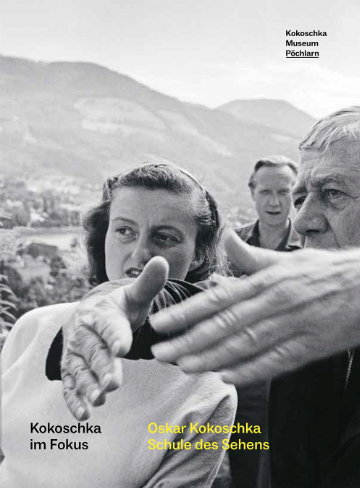
Kokoschka Centre – Head: Mag. phil. Dr. phil. Bernadette Reinhold, Sen. Sc.
Viktor J. Papanek Foundation
– Head: Univ.-Prof. Dr. phil. dr. litt D. h.c. MA (RCA) Alison Clarke
The Collection and Archive institute conceives
of itself as an active repository of knowledge and a tool for the university’s further development. It combines collection
management, documentation, exhibition production, research and teaching. Its work combines portfolio maintenance, exhibition
making, documentation, research, and teaching.
Founded in 1980 on the initiative of the artist and then-rector Oswald
Oberhuber as a teaching collection to encourage artistic practice among students, the institute is today just as public-facing
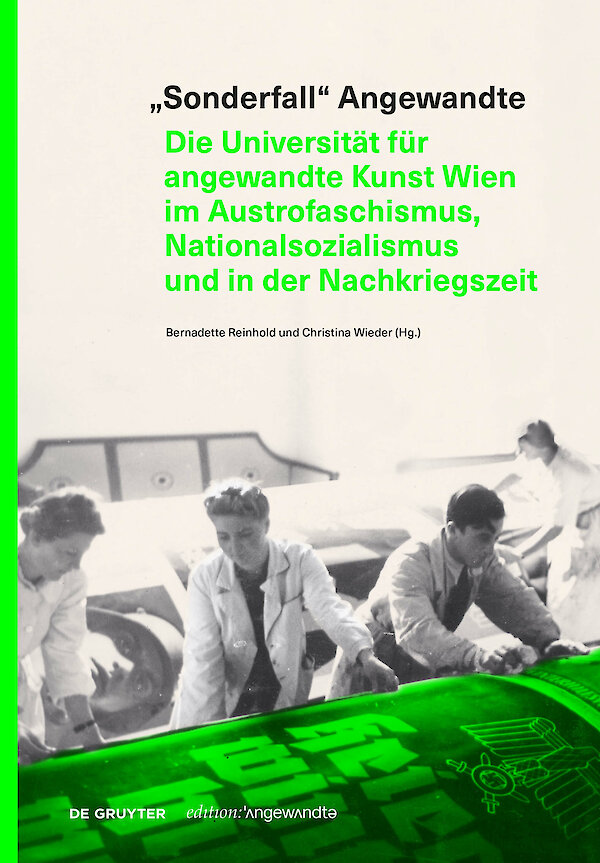
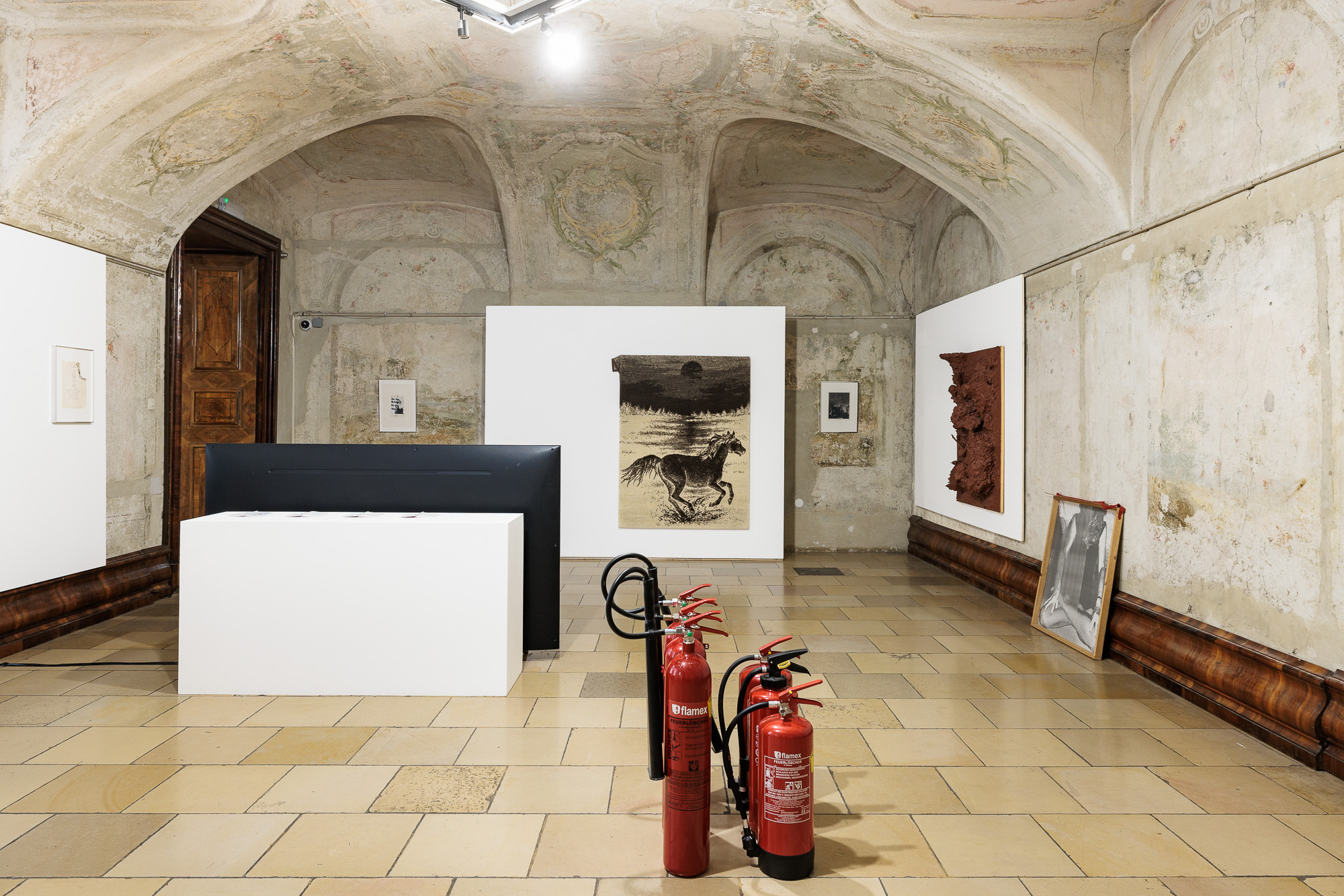
as it is directed toward intra-university structures. The Collection and Archive holdings are regularly presented as loans
on the international stage. They document the institutional history of the University since its founding in 1867 as the School
of Arts and Crafts of the Imperial Royal Austrian Museum for Art and Industry, the diverse artistic developments of Viennese
Modernism, and the transnational careers and networks of the protagonists connected with the University of Applied Arts. As
objects of exhibition and research, the holdings play a significant role in the dialogue between the University and the greater
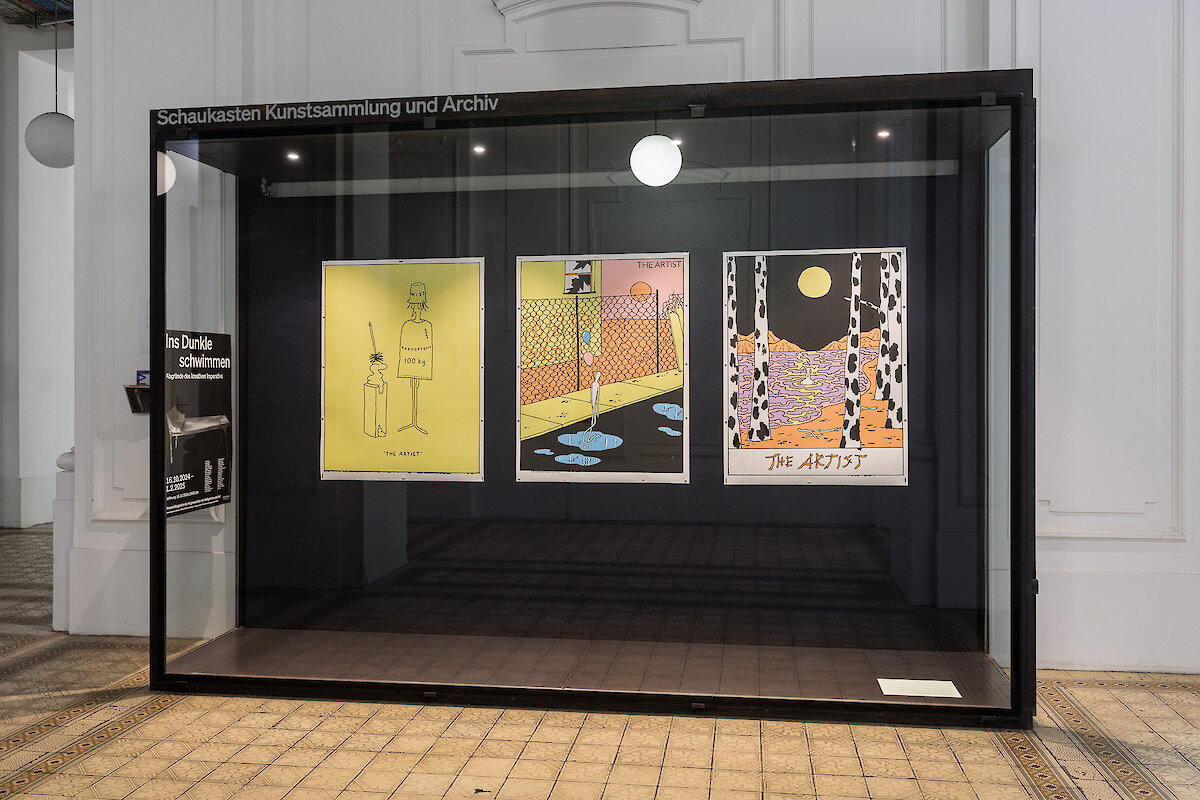
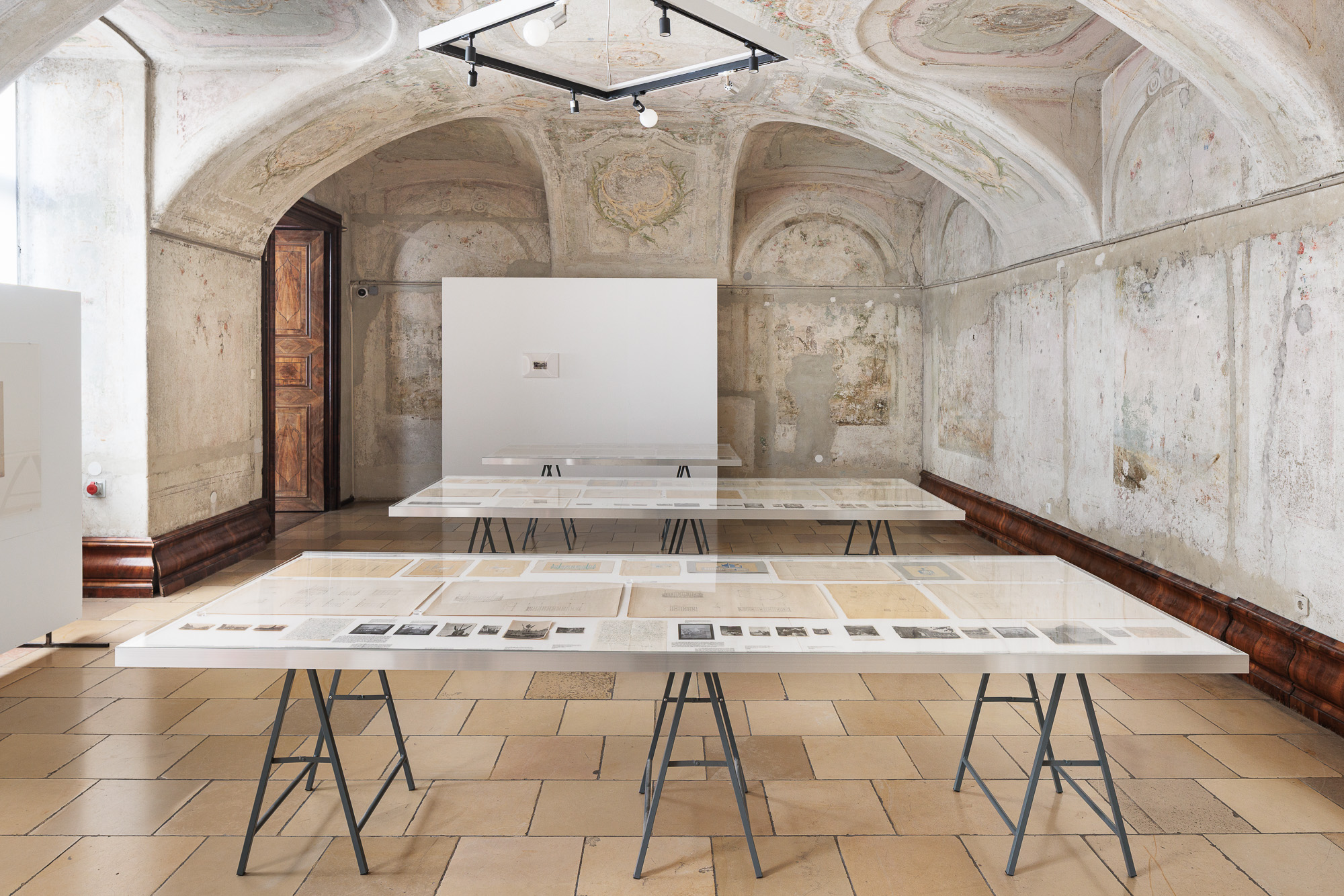
public. The institute presents them in a variety of formats, ranging from specialist consulting, exhibition conception and
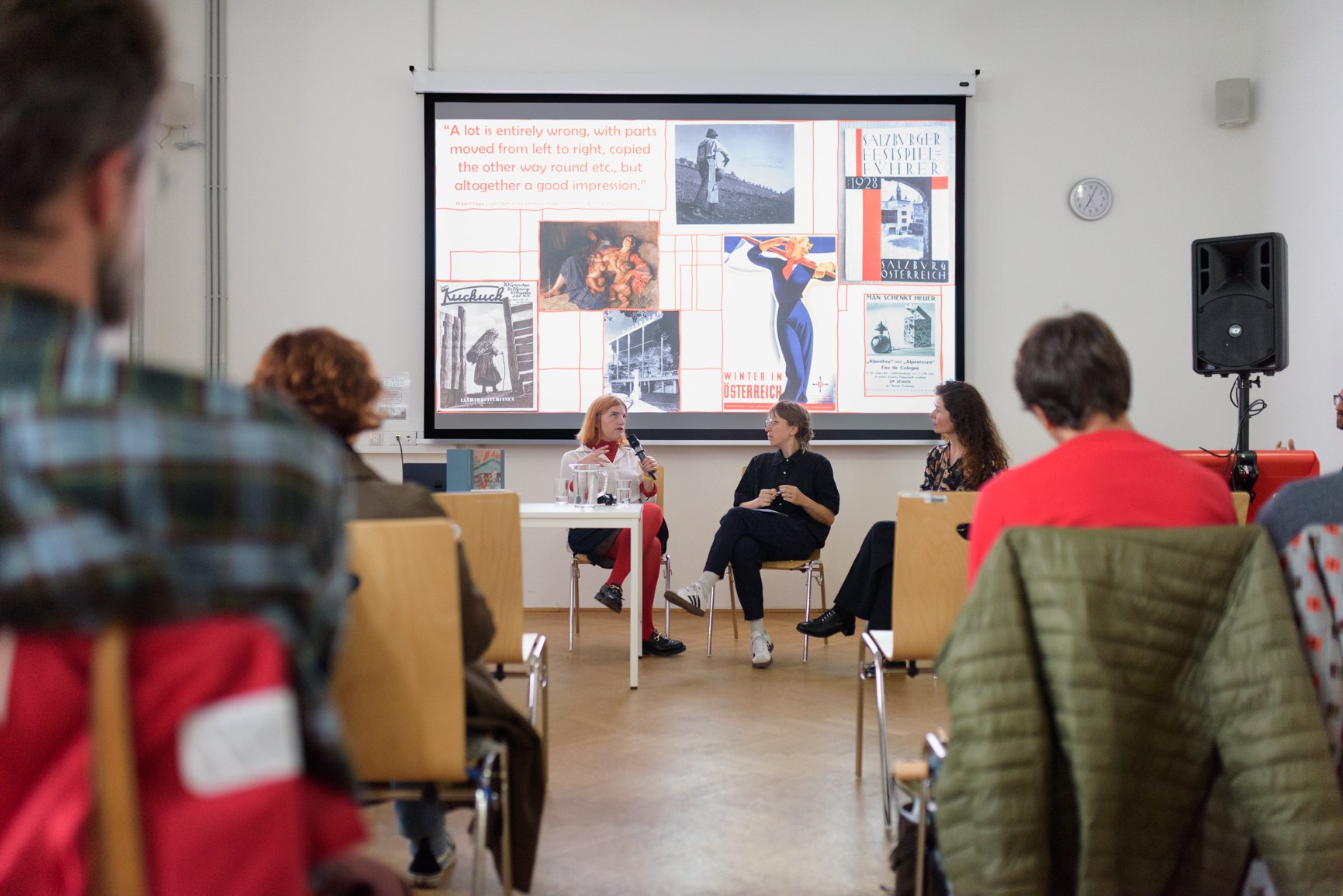
design, courses, conferences, talk series, publications, and editions, to cooperations with artists, other institutes and
departments of the University of Applied Arts, and international partners.
At the heart of all its initiatives,
a university of art is engaged in the continuous renegotiation of the very concept of art. We understand our work as an actualizing,
recontextualizing, and experimental practice – one that facilitates new, critical perspectives and renders visible previously
suppressed positions. In all our projects, we aim to shape contemporary discourse and contribute to the University of Applied
Arts Vienna’ position in both the international field of art and contemporary society. Alongside the acquisition of artistic
works and primary sources, we support and develop new productions with a connection to the institute’s key areas of focus.
These include the historiography of Viennese Modernism and the processing of the University’s history – particularly with
an intersectional reference to women’s and gender history; the field of tension between applied and fine art; the exhibition
as artistic form; the examination of structural conditions of the marginalization of designers and artists; the relationship
between a work and its documentation; and seemingly subordinate forms of production and collaborative work.
Collection Holdings
The collection currently holds numerous objects from all areas of applied and
fine arts of the twentieth and twenty-first centuries, particularly from Viennese Modernism. These include drawings, posters,
furniture, textiles, photographs, ceramic pieces, paintings, objects, and architectural models by Fred Adlmüller, Friedrich
Berzeviczy-Pallavicini, Friedl Dicker-Brandeis, Josef Hoffmann, Gertrud Höchsmann, Oskar Kokoschka, Anton Kolig, Adele List,
Bertold Löffler, Elly Niebuhr, Otto Niedermoser, Oswald Oberhuber, Victor J. Papanek, Franz Schuster, Margarete Schütte-Lihotzky,
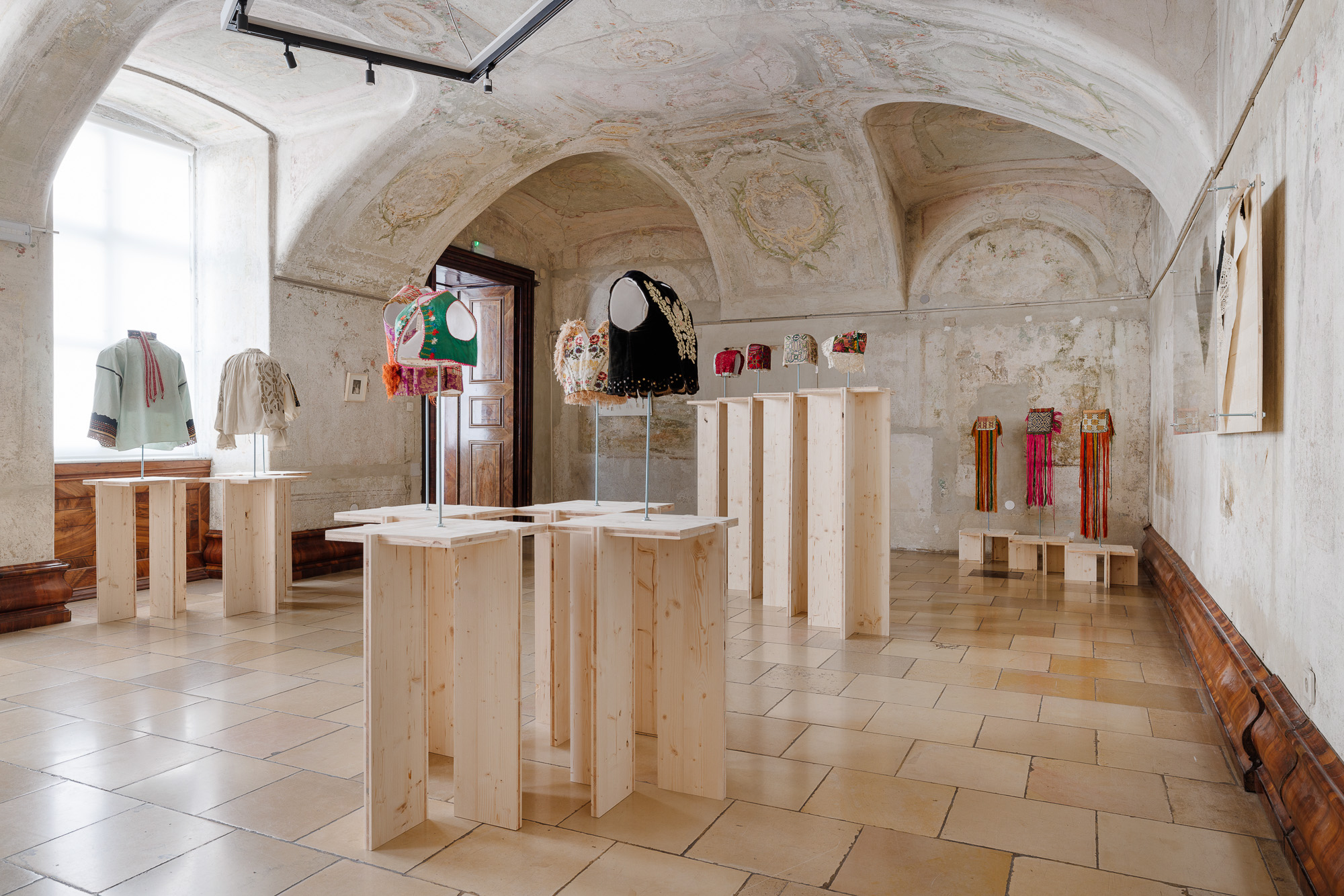
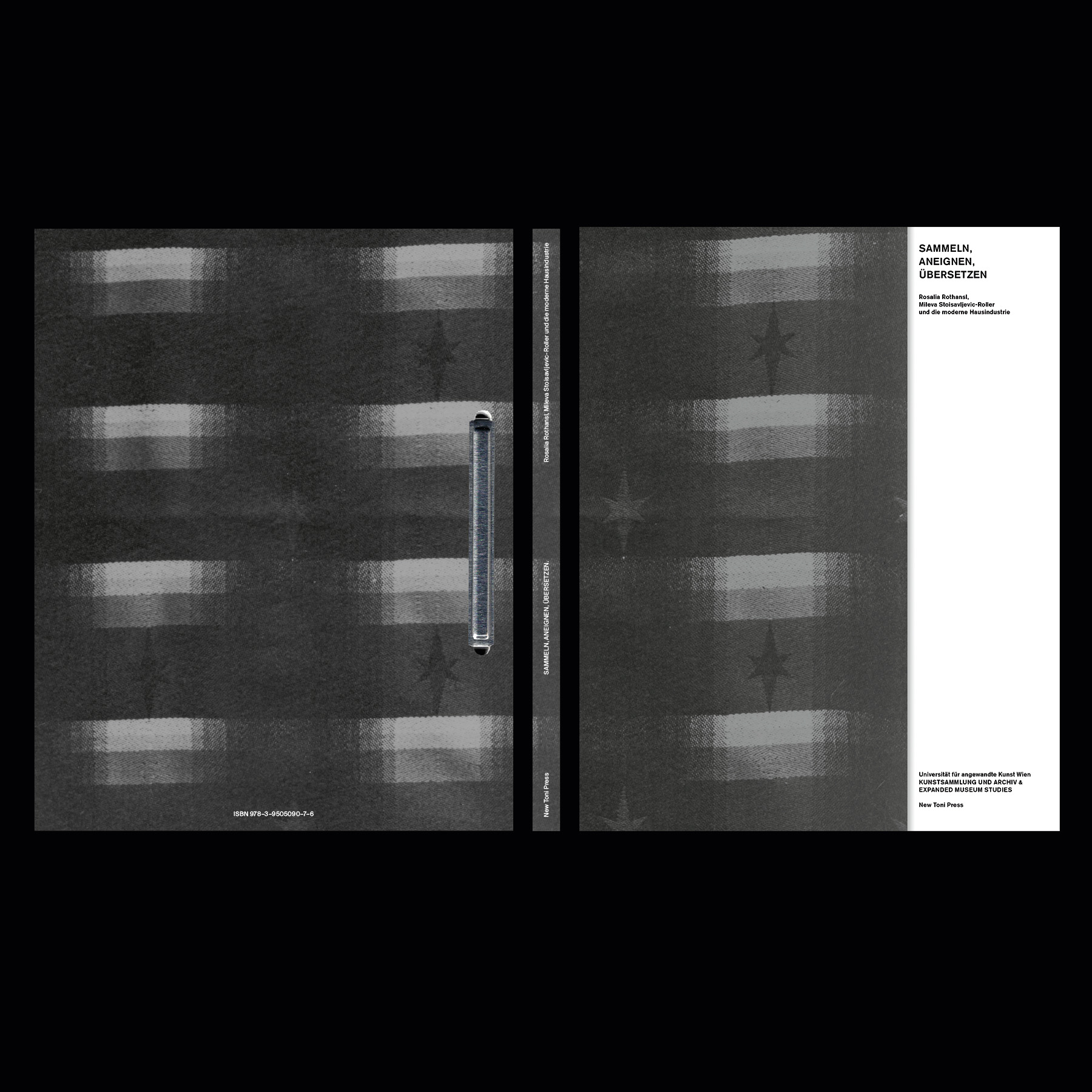
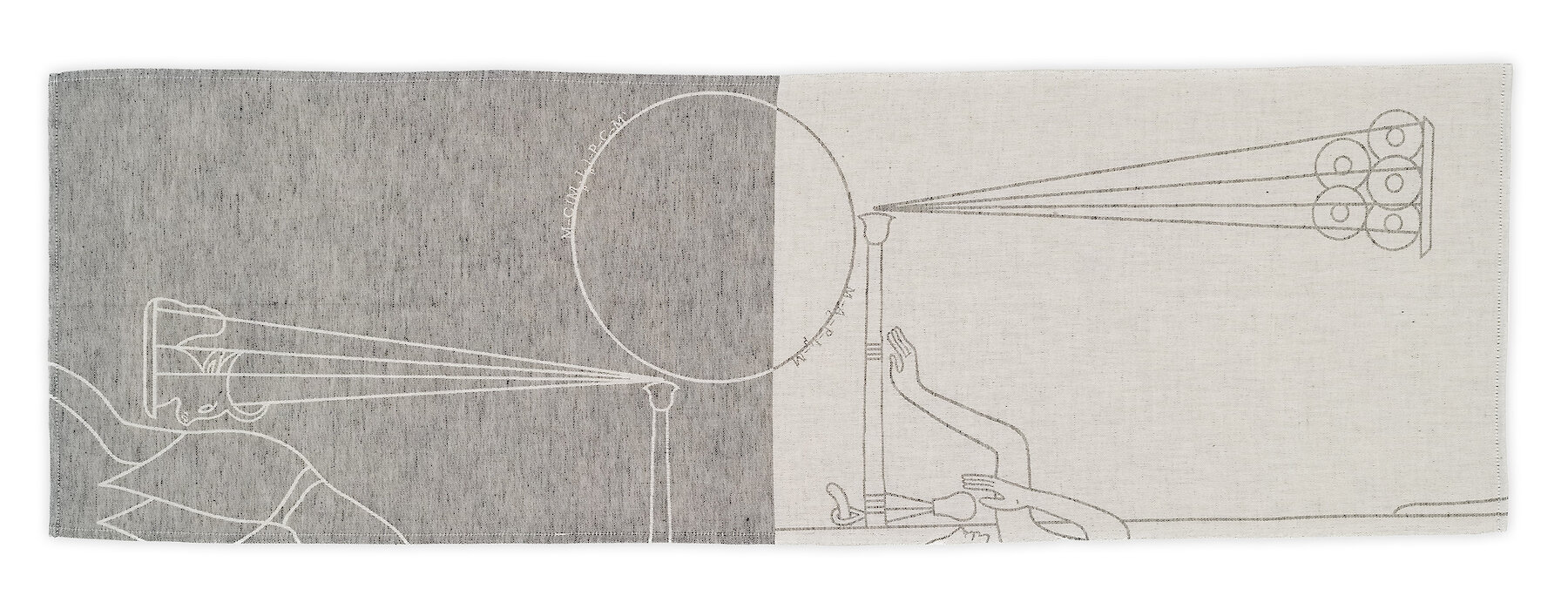
Peter Weibel, Emmy Zweybrück, the Wiener Werkstätte, and Vienna Kineticism, as well as Baroque and domestic-industry textiles
from the historical teaching material collections of Carl Karger and Rosalia Rothansl, and from the private collection of
Mileva Stoisavjlevic-Roller.