The
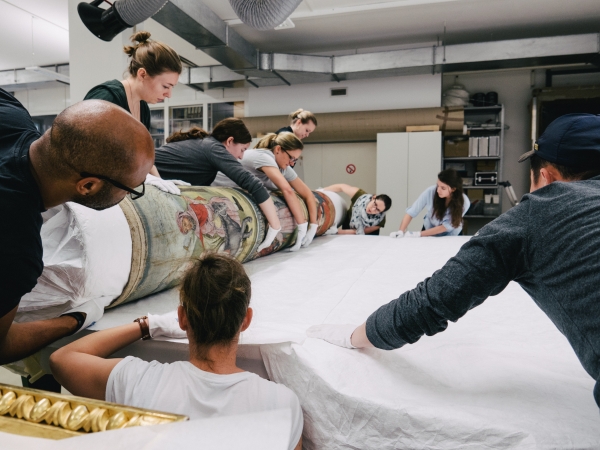
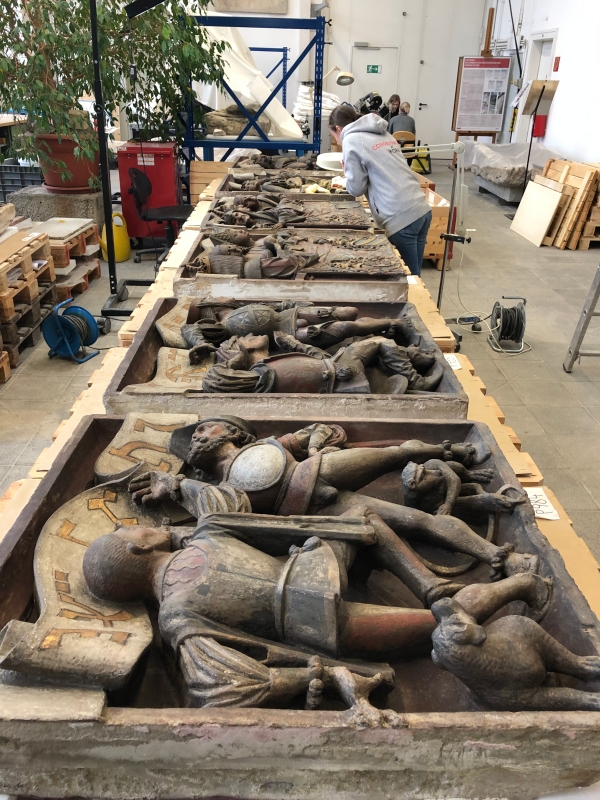
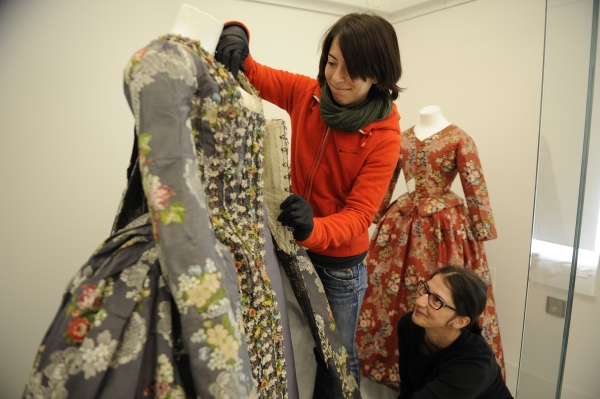
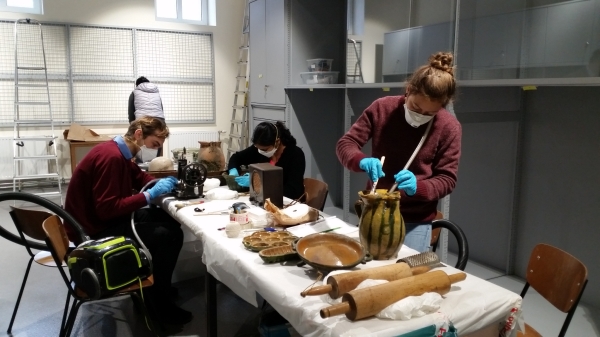
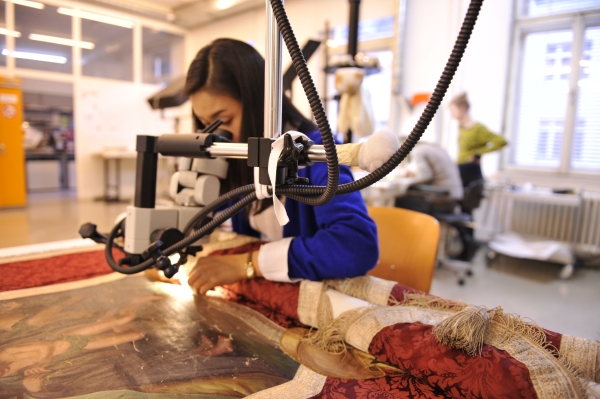
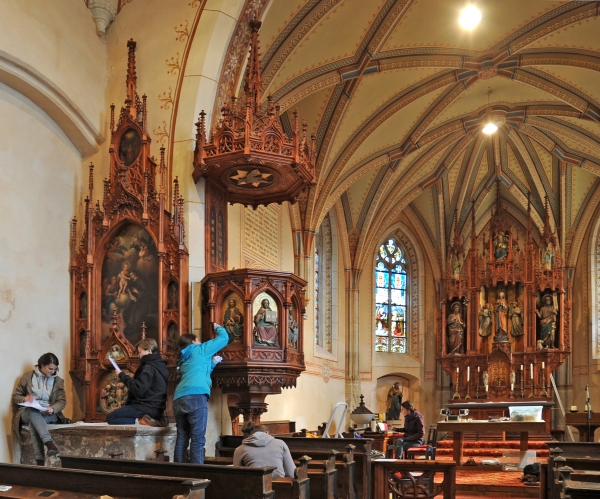
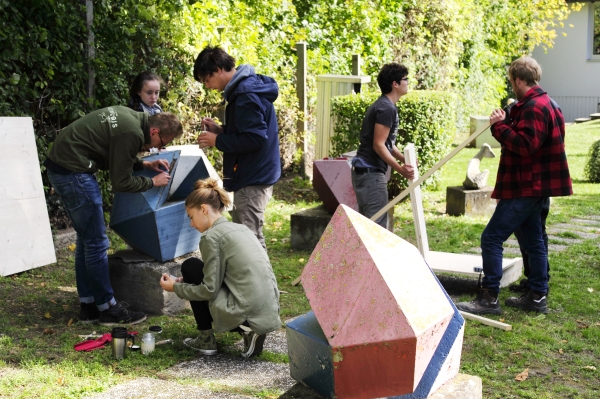
diploma programme of Conservation and Restoration prepares students for an academic conservator’s field of activity. The five-year
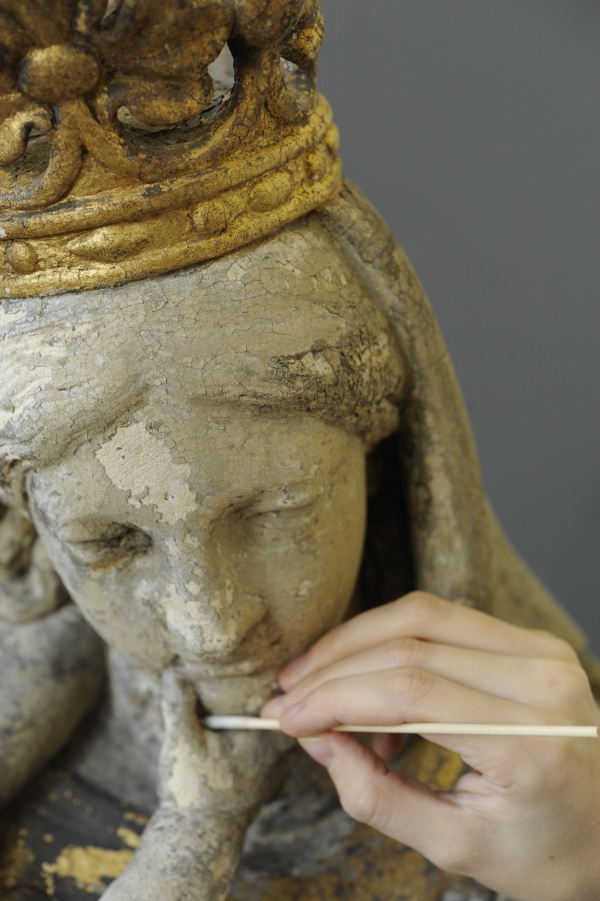
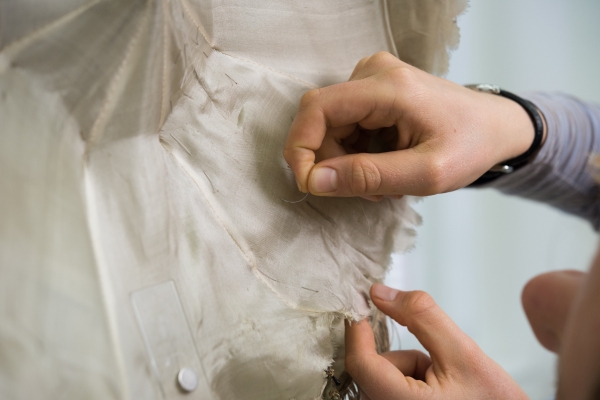
programme offers four specialist areas: paintings, textile, object and stone.
More
information on the programme here.
Successful completion of the entrance examination is a prerequisite
for the degree programme. Consultation hours by appointment (in person or online) will resume in March 2026; the next OPEN
HOUSE will take place in the autumn.
ApplicationDeadlines for admission for the 2026/27 academic year8–22 January 2026,
1:00 pm (CET)
Online registration and online submission of the artistic portfolio (approx. 20 recent works, curriculum
vitae). In addition, the portfolio may also be handed in in person during this period, from 9:00 am to 3:00 pm, at the institute
on the 4th floor (Secretariat), stating the registration number and the desired subject area(s).
6
February 2026
Notification of Round 1 by email
23–27 February 2026
Examination
week in person (location Salzgries 14, 1010 Vienna)
13 March 2026
Notification of results
by email
Contact
The future conservators-restorer should possess
artistic aptitude and enjoy practical-manual, craft-based work, but also show an interest in the humanities (art and
cultural history, archaeology …) and natural sciences (biology, chemistry, physics) and provide overview, basic knowledge
in these fields. Further computer knowledge (Microsoft Office programmes, Adobe Photoshop) is desirable.
All
those interested should gather information about a conservator-restorer‘s everyday work beforehand. We recommend undertaking
a pre-study internship of several weeks at a conservation-restoration studio.
The completed 17th
year of age is required. A higher school-leaving certificate is not a legal requirement, but Matura certificate (or equivalent)
has proven to be a good foundation for our study programme.
Sufficient German language skills (both
spoken and written) are a necessity from the start. Also, basic knowledge of English is a prerequisite, as some courses are
held in English.
We would like to point out that due to the extent of compulsory practical work
and courses with compulsory attendance during the first semesters of the programme there will be hardly any opportunity for
part-time work or the pursuit of a second study.
Registration, Portfolio & Examination
Admission
to the diploma degree programme is based on a two-tier process. This includes a pre-selection (submitting portfolio) and an
exam. Prerequisite for admission to the entrance exam is the positive assessment of the application portfolio!
a)
REGISTRATION & PORTFOLIO SUBMISSION
The registration and submission of the application portfolio takes place
online. In addition, the portfolio can also be brought in person to the institute on the 4th floor, labeled with the registration
number of the online tool and information on the desired department, during the same time frame.
If you are
not admitted to the second part of the admission procedure, you can pick up your portfolio during the specified period Monday
to Friday from 9:00-15:00. After making an appointment (kons-rest@uni-ak.ac.at), the assistants of the respective department
are available for a personal discussion about the portfolio.
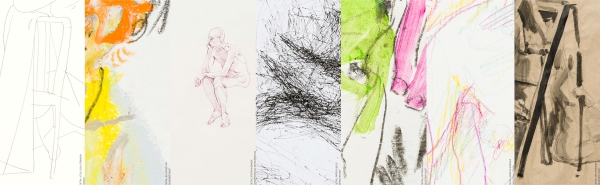
The portfolio should be of generous proportions
(sheet size A3 to A2) and contain at least 20 current works. The Institute asks for precise freehand drawings /studies of
nature in pencil (e.g. still life, landscape, etc., preferably a series). Real objects should be used as templates, no photographs.
The
second part of the portfolio can/should contain works in colour (e.g. watercolours, pastels) and may be more freely designed.
The portfolio can also include works related to specialisations of the programme – these can be documented on photos as it
is not recommended to bring the original to the Institute (e.g. copy of painting, sculpture, etc.). The single sheets are
to be labelled with dimensions, name and date.
Also to be submitted online are the curriculum vitae,
educational certificates (e.g. high school diploma, BHS diploma, apprenticeship diploma, etc.) and, if available, proof of
internship (e.g. photo documentation, etc.). These documents should also be enclosed when submitting the portfolio in person.
Further,
applicants should carefully consider which area of specialisation to choose (paintings, objects, textiles, stone). The decision
has to be indicated with the registration.
b) EXAMINATION
Applicants, who are
admitted to the examination, are informed online. The examination lasts two to three days and consists of written, oral and
practical partial tests.
Within the framework of the entrance exam, applicants‘ artistic-creative
and manual skills (moulding, object construction, drawing, and colour mixing), observation, basic knowledge in chemistry (at
secondary school level) and art history (antiquity to modernity) as well as written skills (art-historical description and
motivation letter) are tested.
A personal interview takes place to address the occupational profile
and the applicant‘s motivation to train and work in the area of conservation-restoration.
The following has to be brought to the test:
- passport
photo
- work utensils: paper A2 (drawing cardboard), drawing pad, pensils (from hard to soft), sharpener, eraser,
vessel for water and colour mixing, brush, e.g. fine round brushes (0-4), flat brushes (6-14), watercolours, writing devices,
scissor, glue, two triangles.
Admission announcement
After
the examination the applicants are informed via e-mail, if they are accepted for the diploma degree programme with start in
the following autumn. Following the exam, the portfolios are handed over. Further, it is possible to get personal feedback
on the portfolio and the performance during the exam. At the University of Applied Arts Vienna there is no lottery, waiting
list or reserve system.
Where / How can I get informed?
The
head and assistants of the Institute would be happy to answer any questions in a face to face meeting regarding the study
programme and the entrance exam. We recommend making an appointment prior to the entrance exam for a critical discussion of
the portfolio and to deal with questions regarding the studies.
Applicants are also invited to
the Open House (each year in autumn) of the Institute. This day provides the opportunity to meet students and teachers and
gain insights into the study programme, the workshops and labs and the occupational field.